

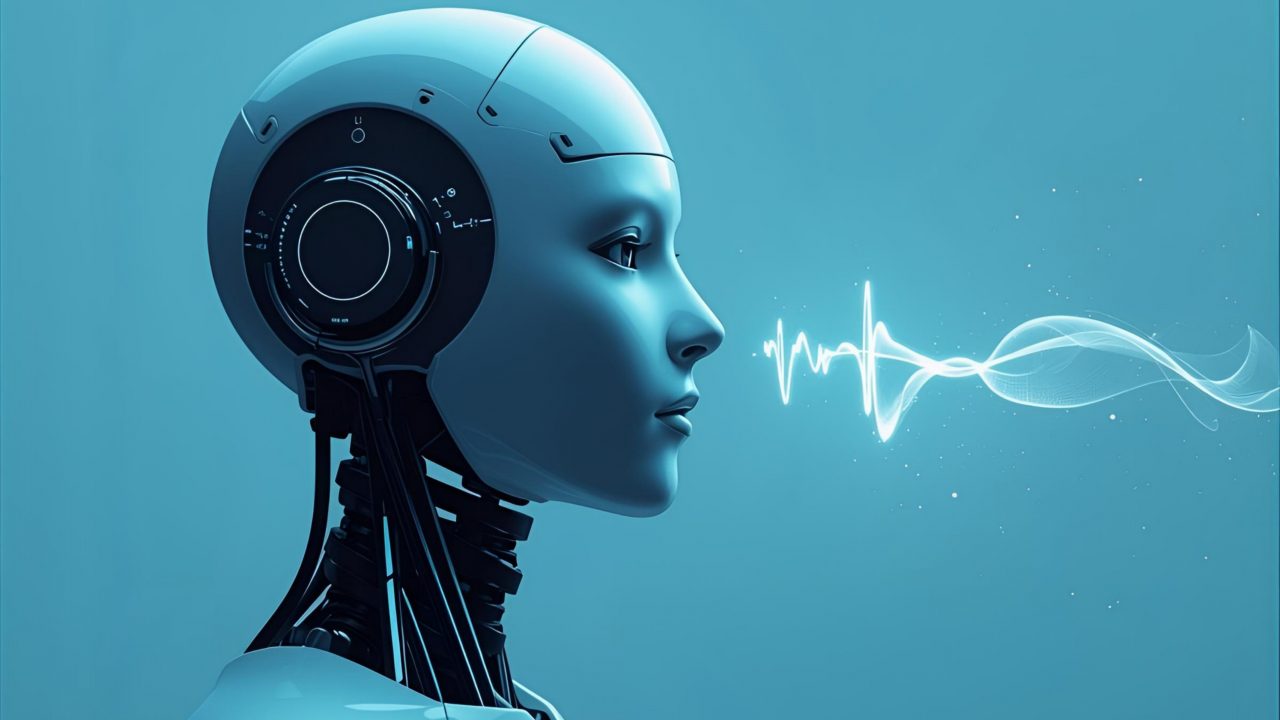
Human conversation is like tuning into a shared frequency. When two people speak, they do more than exchange words. They exchange intent, emotion, memory, and expectation. Now imagine trying to translate all of that into instructions for a machine that has no intuition. This is where prompt engineering psychology steps in. It is less about feeding commands and more about crafting a language bridge between human thinking and algorithmic logic. For learners exploring new-age AI applications, especially those enrolling in a gen AI course in Hyderabad, this psychological perspective on prompts becomes a powerful advantage.
At its core, prompt engineering psychology treats prompts not as static instructions but as carefully constructed invitations. Each prompt holds meaning, context, and subtle cues. When done thoughtfully, it guides AI to respond with clarity, nuance, and relevance.
The Canvas and the Brush: The Metaphor of Dialogue
Think of prompt engineering as painting. The AI is the canvas, vast and full of potential, but it is the brushstroke that defines the picture. A sloppy stroke leads to shapeless form; a deliberate one brings detail and emotion.
In this metaphor:
- The prompt is the brushstroke.
- The context is the palette of colours.
- The AI model is the canvas waiting to be shaped.
When writing prompts, people often focus only on what to ask. But prompt engineering psychology asks how to ask, why to ask, and what emotional tone the request carries. The shape of the question shapes the shape of the answer.
The Cognitive Mirror: How Prompts Reflect Human Thinking
AI models are trained on enormous volumes of human text. They mirror patterns in language. So when we prompt an AI, we are indirectly prompting ourselves. Our phrasing, structure, and clarity all influence the output because the AI tries to match the reasoning and structure implied within the question.
Key insights:
- A vague prompt leads to a vague answer.
- A precise prompt leads to a structured, logically consistent response.
- A prompt with emotional cues leads to a more empathetic tone.
For example:
- “Tell me about climate change” gives you surface-level information.
- “Explain how climate change affects coastal cities and give three recent examples” produces specificity.
- “Explain how climate change affects coastal cities in a way a 12-year-old could understand” adds target clarity.
The psychology behind prompts is about understanding how your framing becomes AI’s framing.
Memory Cues and Cognitive Anchors
Humans rely on memory cues to recall information. AI works similarly, using context windows to maintain coherence. Prompt engineering psychology pays attention to how ideas are introduced, referenced, and repeated.
Effective prompts use:
- Anchors: Key concepts fixed early to guide reasoning.
- Role assignment: Setting AI’s perspective (e.g., “You are a domain expert…”).
- Task boundaries: Clear scope prevents unnecessary details.
Example:
“Act as a financial analyst. Summarize today’s market trends in under 200 words. Focus only on technology and pharmaceutical sectors. Avoid predictions.”
This prompt:
- Anchors the AI’s role.
- Establishes length.
- Limits content scope.
- Excludes speculation.
In human conversation, we use social cues to manage expectations. The same applies here. When we frame prompts with structure and clarity, we guide the AI to produce focused, context-aware insights.
Emotional Intelligence and Tone in Prompts
AI may not feel, but it can generate language that sounds empathetic or detached based on the emotional tone of prompts. Prompt engineering psychology studies how tone influences output.
Consider the difference:
- “Give tips to reduce stress.”
- “A friend has been dealing with overwhelming stress. Could you suggest gentle steps they can take that feel supportive and realistic?”
The first sounds instructional.
The second sounds human.
Tone communicates purpose. When prompts are written with warmth, respect, or care, the AI reflects these cues. This is especially valuable in:
- Customer service chatbots
- Healthcare assistants
- Learning platforms
- Mental health conversational tools
The design of tone becomes part of the user experience.
Learning to Think in Prompts
Mastery in prompt psychology is not about memorizing templates. It is about learning to think in patterns. Some educational programs emphasize this shift in mindset, similar to what learners encounter in a structured gen AI course in Hyderabad, where prompts are treated as design elements, not mere instructions.
To develop conversational intelligence with AI:
- Practice reframing questions in multiple styles.
- Use role-based contexts to anchor perspective.
- Add constraints to encourage precision.
- Iterate based on responses, refining wording each time.
Prompt engineering psychology is iterative. It is about gradually shaping language to shape thinking.
Conclusion: Dialogue, Not Instruction
The future of human-AI interaction will not be defined by how well people command machines, but by how well they communicate with them. Prompt engineering psychology reframes prompts as bridges that carry intention, tone, knowledge, and context. It teaches us that AI is not an answering machine but a conversational partner whose performance depends on the clarity and care of the invitation we offer through language.
When we learn to craft prompts thoughtfully, we unlock not only better AI responses but better self-awareness in how we think, reason, and express. In essence, prompt engineering is not just about teaching AI to speak better. It is about teaching ourselves to speak with intention.