

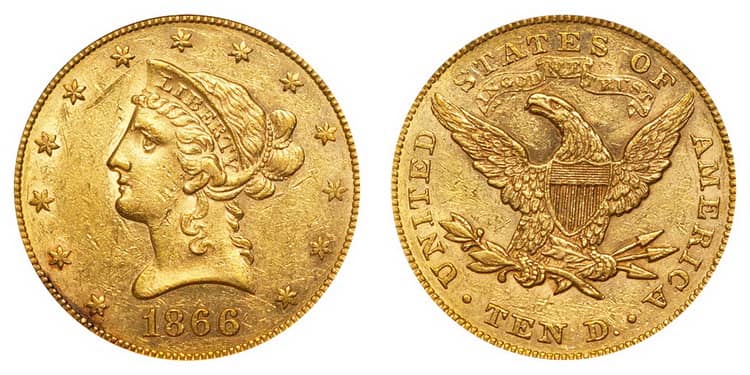
Gold — whether in the form of bullion, coins, or exchange-traded products — has long been a cornerstone of investor portfolios due to its intrinsic value, historical precedent as a store of value, and role as a hedge against inflation and systemic risk. Gold coins, especially U.S. Mint products like the American Buffalo, are both investment and collectible assets with fluctuating demand based on macroeconomic conditions. Similarly, the broader coin market spans bullion coins, numismatic collectibles, and alternative precious metal coins, all of which react to economic cycles, investor sentiment, and demographic trends. The current market context — characterized by geopolitical instability, inflation concerns, and shifting portfolio preferences — has profoundly impacted demand patterns.
1. The Macroeconomic Backdrop Driving Gold Demand
1.1 Safe-Haven and Diversification Demand
Gold’s reputation as a “safe-haven” asset has resurfaced strongly in 2025–2026 amid geopolitical tensions and financial market volatility. Recent events — such as renewed conflict in the Middle East — have driven gold prices higher and encouraged allocators to shift toward precious metals as part of risk mitigation strategies. Analysts note that gold’s appeal grows when uncertainty hits traditional risk assets like equities and bonds. In fact, amid escalating geopolitical risk, investors are increasingly favoring gold over long-term government bonds as a safe refuge, reflecting skepticism about bonds’ reliability in a stagflationary environment.
Concurrently, gold prices have surged to multi-year highs and hit record levels, driven by strong physical and financial investment. For example, the gold price has climbed significantly year-to-date, up sharply as investors seek safety and diversification even as central banks adjust monetary policy expectations.
1.2 ETF and Institutional Gold Investment Dominates
A defining trend in recent years — particularly in 2025 — has been the outsized role of exchange-traded funds (ETFs) backed by physical gold. According to World Gold Council data, U.S. gold demand more than doubled in 2025, largely due to ETF inflows, which accounted for the majority of total demand. U.S.–listed gold ETFs alone added hundreds of tonnes of physical gold to holdings, pushing total ETF holdings to record levels (over 2,000 tonnes). This trend not only reflects increased investor interest but also highlights the shift toward easily tradable, professionally managed gold exposure rather than physical bar or coin ownership.
Institutional investors, pension funds, and sovereign wealth funds have also increased allocations to gold as part of broader diversification strategies. The rally has been supported by expectations of lower interest rates — which reduce the opportunity cost of holding non-yielding assets — and geopolitical uncertainty that makes gold an attractive alternative to both bonds and cash.
1. The Macroeconomic Backdrop Driving Gold Demand
While ETFs dominate total gold demand growth, physical gold — including bullion bars and coins — remains an important segment, particularly among retail investors seeking tangible assets.
2.1 Bar & Coin Demand Trends
Globally, chrome extension bar and coin demand saw strong growth in 2025, reaching elevated levels compared with historical norms. However, within the U.S., physical bar and coin demand has shown mixed results: while overall gold demand soared, the bar and coin segment saw periodic softness in certain quarters due to high gold prices and competitive alternative investments. Nevertheless, physical demand remains robust in absolute terms, reflecting renewed interest in owning tangible assets amid broader financial market uncertainty.
Demand for U.S. gold coins — particularly iconic issues like the American Gold Eagle and American Buffalo — tends to rise with increases in gold prices and safe-haven demand. These coins carry both bullion value (tied to gold’s spot price) and, in some cases, additional numismatic or collectible premium. Although high prices can sometimes suppress coin purchases by retail buyers due to affordability constraints, the underlying trend still points to elevated interest relative to historical baselines.
2.2 Collectible Coin Market Trends
In the broader coin market — which includes numismatic and rare coins — demand trends are influenced by a slightly different set of dynamics. According to industry forecasts, the global coin collection market is expected to grow at a mid-single-digit compound annual growth rate (CAGR) through the next decade. This growth is supported by increasing interest in numismatics, rising disposable incomes among collectors, and the expansion of online marketplaces that facilitate global buying and selling.
Traditional U.S. collectible coins — including rare historical issues and limited-edition commemoratives — benefit from this trend, especially among newer generations of collectors who leverage digital platforms and grading services to build diversified collections. Additionally, the crossover between investor demand for gold and collector interest can elevate prices for specific high-demand mint issues.
3. Drivers of Demand in 2025–2026
3.1 Geopolitical Risk and Market Volatility
One of the most consistent drivers of gold demand in recent years has been geopolitical and macroeconomic instability. From tariff tensions to conflict in major geopolitical theatres, uncertainty leads investors to prioritize assets with intrinsic value over risk assets. As noted, large sovereign and institutional investors have increased their gold allocations during such periods, and retail investors often follow suit via ETFs or physical coin purchases.
3.2 Interest Rate Expectations & Monetary Policy
Monetary policy has a direct impact on gold demand because gold does not yield interest or dividends. Expectations of interest rate cuts — particularly by the U.S. Federal Reserve — generally make gold more attractive relative to interest-bearing assets, encouraging investors to shift capital into gold ETFs and coins.
3.3 Dollar Weakness and Inflation Concerns
Gold is priced internationally in U.S. dollars, so a weaker dollar usually supports higher gold prices by making gold cheaper for foreign buyers and increasing demand. Inflation concerns — whether due to expansive fiscal policies or supply chain pressures — further enhance gold’s appeal as a hedge against currency devaluation. These themes have been central in recent sector forecasting and gold’s price behavior.
3.4 Retail Investment Behavior
Despite the increased demand for gold at the institutional level, surveys suggest that U.S. household ownership of gold — including ETFs and physical bullion — remains relatively low compared with other asset classes. Analysts argue that even modest increases in retail gold ownership could exert upward pressure on gold prices due to the small size of the gold market relative to global financial markets.
Still, events like sharp price runs and economic uncertainty often spur waves of retail buying, as seen in elevated coin and bar purchases at key price milestones.
4. Risks and Potential Market Shifts
4.1 Gold Saturation and “Gold Fatigue”
Gold markets can experience periods of “gold fatigue,” where prices rise so high that investors seek alternative asset classes like silver or platinum, or diversify into non-metal investments like equities or cryptocurrencies. These dynamics can temper demand if sustained.
4.2 Supply Constraints and Counterfeiting Risk
Physical gold and coin markets face their own supply-side challenges. Mint production limits — particularly for sought-after bullion coins — can create temporary shortages and elevated premiums. Counterfeit gold and coin fraud also pose risks to investor confidence, highlighting the importance of authentication and due diligence in physical markets.
Conclusion: A Multi-Faceted Demand Landscape
In summary, demand for U.S. gold and coin assets in 2025–2026 reflects a complex interplay of macroeconomic concerns, investor behavior, and evolving market structures:
-
Investment demand, especially via gold ETFs, has become the dominant driver of total U.S. gold demand, dwarfing traditional sectors like jewellery and bar/coin purchases.
-
Physical gold coins and bullion remain important, particularly as retail investors seek tangible hedges, but their growth is more cyclical than institutional flows.
-
Numismatic and collectible coin markets are benefiting from broader interest in rare and historical coins, supported by globalization and digital platforms.
-
Macro drivers — geopolitical risk, rate expectations, dollar movements, and inflation fears — continue to underpin gold’s enduring appeal as both a store of value and portfolio diversifier.
Taken together, these trends suggest that while gold’s role as a safe-haven asset endures, the nature of demand is shifting toward more liquid, institutionally accessible formats — without diminishing the cultural and investment significance of physical coins and collectible assets. As global economic uncertainty persists and investors seek durable value anchors for their portfolios, gold and coin assets will likely remain central to diversified investment strategies in the foreseeable future.