

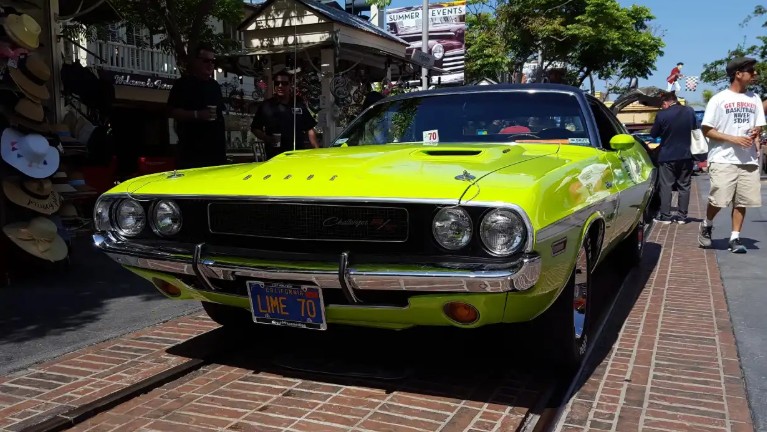
There is something undeniably evocative about the roar of a naturally aspirated V8 or the elegant lines of a chrome-bumpered coupe cruising down the Great Ocean Road. For many Australians, a vintage vehicle is more than just a mode of transport; it is a piece of living history, a family heirloom, or a mechanical masterpiece. However, bringing these machines back to their former glory is an arduous journey. Mastering classic car restoration requires a delicate balance of period-correct preservation and modern mechanical reliability.
The Economic Engine of Heritage Motoring
The passion for vintage steel is a significant driver of the Australian economy. According to the Australian Motor Heritage Foundation (AMHF) in their landmark 2024 Economic Value Study, the historic vehicle sector is a multi-billion-dollar powerhouse. The report reveals that owners of historic vehicles—defined as those 15 years or older—spend approximately $9.9 billion annually on their passion.
Further data highlights the scale of this movement:
- There are an estimated 970,000 historic vehicles across Australia.
- The average owner spends roughly $10,240 per vehicle each year on maintenance, parts, and professional restoration services.
- The sector supports nearly 79,000 jobs, ranging from specialised panel beaters to master engine builders.
These figures, backed by industry bodies and reflected in registration data from the Bureau of Infrastructure and Transport Research Economics (BITRE), prove that the “old car” hobby is far more than a niche pastime; it is a vital part of our national industrial heritage.
The Restoration Journey: From Barn Find to Concours
Restoring a car in Australia presents unique challenges, particularly regarding our harsh climate and the rarity of certain local parts. Whether you are tackling a homegrown Holden Kingswood or a refined European thoroughbred, the process generally follows four critical phases:
1. Assessment and Strip-Down
The first step is always the most revealing. Stripping a vehicle to bare metal often uncovers the “sins” of previous owners—hidden rust, “bogged” panels, or dubious electrical repairs. In the Australian context, rust is the primary enemy, particularly for vehicles that spent decades in coastal regions.
2. Mechanical Synchronisation
While aesthetics matter, a classic that cannot handle a summer’s day in traffic is a garage ornament. Modern restoration often involves “restomodding”—keeping the classic look while upgrading cooling systems, brakes, and fuel systems to handle modern unleaded petrol and higher ambient temperatures.
3. Bodywork and Paint
Achieving a factory-standard finish is where the “art” of restoration truly shines. This involves meticulous panel beating and the use of high-quality paint systems that can withstand the intense Australian UV index without fading or cracking.
4. The Final Assembly
This is the stage where the car regains its soul. Installing the interior trim, polishing the brightwork, and ensuring every dial on the dashboard flickers to life requires patience and an eye for detail.
For a look at the grit and reality behind these projects, check out this deep dive into a classic Australian build: OUCH! The Dodgiest Restoration Revealed | Leyland P76.
Why Professional Expertise Matters
While the “DIY” spirit is strong in Aussie sheds, certain aspects of a build require specialised equipment and decades of experience. Precision is paramount; a millimetre of misalignment in the chassis or a slight imbalance in the engine can compromise both safety and the vehicle’s ultimate value.
Furthermore, as we move into 2026, the industry is seeing a shift. Data from the Federal Chamber of Automotive Industries (FCAI) shows a massive trend toward vehicle efficiency and new technologies. This has bled into the classic world, where enthusiasts are increasingly looking for professional shops that can integrate modern fuel injection or even “EV-crate” conversions into classic shells, ensuring these beauties remain road-legal and environmentally conscious for decades to come.
Preserving the Legacy
Investing in a restoration is about more than just resale value—though well-restored Australian muscle cars continue to fetch record prices at auction. It is about the preservation of craftsmanship. Every time a master tradesman hand-rolls a fender or hand-stitches a leather seat, they are keeping a dying art alive.
Whether you are starting with a rusted shell or looking to refine a “survivor” car, the path to a perfect finish is a marathon, not a sprint. By combining authentic parts, Australian-standard craftsmanship, and a bit of “no-worries” persistence, we ensure that the golden age of motoring continues to shine on Australian bitumen.