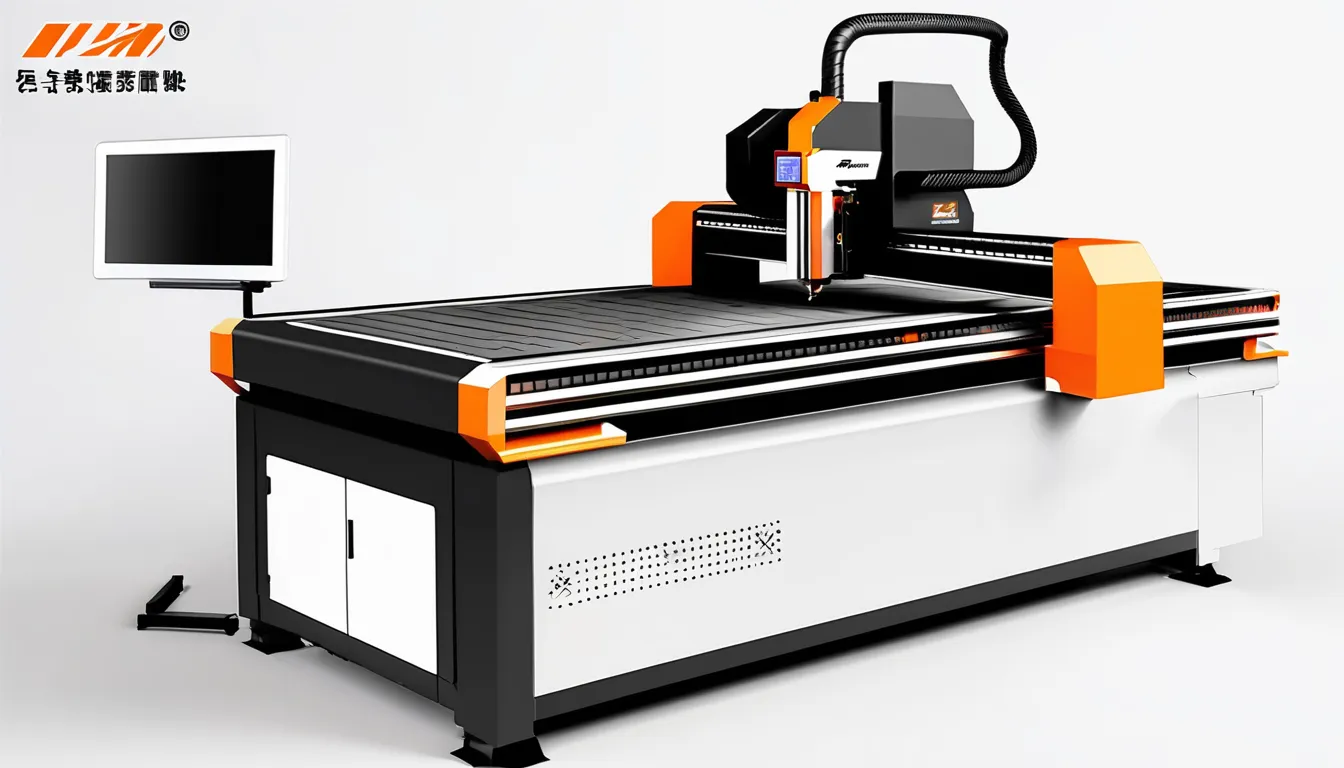
Understanding the nuances of CNC knife cutting machines is crucial for professionals and hobbyists looking to optimize their digital cutting projects. These machines have revolutionized the way materials can be processed, offering precise cutting that enhances productivity and reduces waste. In this guide, we will explore the technical aspects of CNC knife cutting technology, delve into its various applications across industries, and provide insights into choosing the right machine Dekcel specific needs. By the end of this article, readers will gain a comprehensive understanding of how CNC knife cutters work and the potential they hold in transforming traditional cutting methods into highly efficient operations.
What is a CNC Knife Cutting Machine and How Does It Work?
A CNC knife cutting machine is a computer-controlled device designed to cut materials with precision using a blade. It operates by following a pre-determined path set by CAD software, which translates digital designs into physical cuts. The machine employs various types of blades, including drag, oscillating, or rotary, depending on the material and the cutting requirements. This technology allows for precise cutting operations in a variety of materials, such as textiles, cardboard, rubber, and leather, minimizing material waste and enhancing repeatability in production.
Understanding the Basics of CNC Technology
At its core, CNC (Computer Numerical Control) technology involves the use of computers to automate control of machine tools, leading to precise manufacturing of components. In CNC systems, a computer is utilized to execute a series of pre-programmed tasks and movements through software. This technology is characterized by its ability to control complex machinery with high degrees of precision and repeatability, which is essential for industries demanding accurate and customized solutions. Furthermore, CNC technology allows for automation in the production process, reducing errors and increasing efficiency.
Components of a CNC Knife Cutting Machine
A CNC knife cutting machine consists of several key components that work in harmony to achieve precise cutting. These include the machine bed, where the material is placed for cutting operations, and the gantry, which houses the cutting head. The cutting head includes the blade, which may vary in type depending on the material being cut. Other crucial components include the drive motors and motion controls, which enable precise movements of the cutting head. The control unit, often linked with CAD software, acts as the brain of the machine, translating digital designs into mechanical movements. Additionally, safety features and sensors are integrated to ensure safe operation and prevent damage to the machine and materials.
The Cutting Process Explained
The cutting process in a CNC knife cutting machine begins with the digital design phase, where a CAD model is created or imported. The software then generates a toolpath, which dictates how the cutting head will move along the material. Once the design is finalized, the machine follows this toolpath to execute the cuts with the designated blade. Depending on the type of blade used—be it drag, oscillating, or rotary—the cutting head applies the necessary force and speed to effectively cut through the material. The process can accommodate a wide range of materials, and the automation provided by CNC technology ensures that cuts are highly precise, consistent, and efficient, significantly reducing material wastage and improving overall throughput in production environments.
What Materials Can You Cut with a CNC Knife Cutting Machine?
Suitable Materials for Knife Cutting
CNC knife cutting machines are renowned for their versatility when it comes to handling a diverse range of materials. Typical materials suitable for knife cutting include textiles, leather, rubber, foam, cardboard, paper, and various types of plastics. The machine's ability to adjust the blade type and cutting speed allows for efficient processing of these materials without generating heat, which is particularly advantageous for heat-sensitive substances. This feature makes CNC knife cutting ideal for industries such as automotive, fashion, packaging, and signage, where precision and material preservation are paramount.
Comparing Knife Cutting to Laser Cutting
When comparing knife cutting to laser cutting, there are distinct differences in capability and suitability for different materials. Knife cutting does not produce any burned edges, making it preferable for materials that are affected by heat, such as textiles and plastics. In contrast, laser cutting provides exceptionally precise cuts with intricate details and is often used on metals, wood, and acrylics, which can withstand the heat generated by the laser. One key advantage of knife cutting is its ability to cut soft and flexible materials cleanly, which laser cutting may struggle with or could potentially damage. Both methods have their unique applications, and the choice between them typically depends on the material properties and the specific requirements of the project.
Limitations and Challenges
While CNC knife cutting machines offer numerous advantages, they also present some limitations and challenges. These machines may struggle with rigid or very thick materials, where the cutting depth and pressure required are beyond the knife's capabilities. Additionally, maintaining a sharp and clean edge on the blade is crucial; dull blades can lead to imprecise cuts and increased wear and tear on the machine. Furthermore, although the technology automates much of the cutting process, there is still a need for skilled operators to manage the setup, ongoing adjustments, and maintenance. Ensuring precise control over the machine and avoiding material misplacement during operation also remain challenges that require constant vigilance.
How to Choose the Right CNC Knife Cutting Machine for Your Needs?
Key Features to Consider
When selecting a CNC knife cutting machine, it is crucial to consider the key features that align with your specific needs. One important feature is the cutting speed, which affects overall productivity and efficiency. Additionally, the cutting accuracy and precision are vital for achieving desired outcomes with intricate designs. Other essential features include the compatibility of the machine with various materials and the ease of integration with existing software systems. Furthermore, the machine's durability and ease of maintenance can significantly influence long-term operational costs and downtime.
Comparing Oscillating and Tangential Knife Cutters
Understanding the differences between oscillating and tangential knife cutters is vital for ensuring the machine meets the functional needs of your projects. Oscillating knife cutters are highly suitable for cutting soft, pliable materials with precision, as the blade moves in a rapid up-and-down motion to slice through the material. They are particularly effective for textiles, foam, and similar materials. In contrast, tangential knife cutters are better suited for more rigid materials as they offer greater control; the blade rotates to maintain an optimal cutting angle, which enhances accuracy and edge quality. Consider your material types and requirements to determine the most suitable choice.
Budget Considerations and ROI
Investing in a CNC knife cutting machine requires careful financial planning, with budget considerations extending beyond the initial purchase price. Factors like maintenance costs, energy consumption, and potential downtime expenses should be incorporated into the financial assessment. Calculating the machine's return on investment (ROI) is essential, as it will help determine the payback period and long-term financial benefits. Examine projected increases in production efficiency, reduced labor costs, and the potential for new business opportunities to get a comprehensive outlook on the ROI. Balancing cost-effectiveness with desired features and capabilities will guide a sound investment decision.
What Are the Advantages of Using a CNC Knife Cutting Machine?
Precision and Accuracy in Cutting
The deployment of CNC knife cutting machines significantly enhances precision and accuracy in cutting operations. These machines are programmed to execute exact cutting patterns with minimal deviation, ensuring uniformity across batches. Advanced software integration allows for intricate designs and detailed cuts, reducing material wastage and enhancing the quality of finished products. Accurate cutting not only results in superior edge quality but also minimizes the need for post-processing adjustments.
Versatility in Materials and Projects
One of the foremost advantages of CNC knife cutting machines is their versatile application across a variety of materials. These machines are engineered to accommodate a wide range of substrates, from soft textiles to rigid composites. This versatility enables manufacturers to expand their project capabilities without the need for multiple specialized machines. The adaptability in handling different material types facilitates a diverse set of applications, thus widening the scope of project design and execution.
Increased Productivity and Efficiency
Incorporating CNC knife cutting machines into production lines markedly boosts productivity and operational efficiency. By automating the cutting process, these machines decrease manual labor requirements and significantly reduce cycle times. The precision offered by CNC machines minimizes errors and rework, allowing for smoother workflow continuity. This results in higher throughput and consistent output quality, ultimately enhancing overall production efficacy and contributing to competitive advantage in industrial settings.
How to Set Up and Operate a CNC Knife Cutting Machine?
Installation and Initial Setup
The installation and initial setup of a CNC knife cutting machine are critical steps that ensure optimal performance and efficiency. Begin by selecting an appropriate location that provides stable support and adequate ventilation for the machine. Ensure the work area is free of any obstructions and provides sufficient space for material loading and unloading. Once positioned, secure the machine by following the manufacturer’s guidelines, which may include bolting it to the floor or using specialized mounts. Connect the machine to a compatible power source and verify all electrical and mechanical systems are functional. It is essential to conduct a thorough inspection to ensure all components are correctly aligned and calibrated before commencing operation.
Software and Design Preparation
Effective software and design preparation are pivotal to maximizing the capabilities of a CNC knife cutting machine. Start by selecting a CAD (Computer-Aided Design) program that is compatible with the machine's control software. Create or import design files, ensuring they adhere to the desired specifications and dimensions. Pay special attention to the compatibility between the design format and the cutting software to prevent errors during the transfer process. Familiarize yourself with the machine's software interface and functionality, as this facilitates customized adjustments and enhances precision during the cutting process.
Optimizing Cutting Speed and Quality
Optimizing cutting speed and quality involves carefully adjusting machine settings to balance efficiency with precision. Begin by evaluating the material type and thickness, which directly influence the appropriate cutting speed and tool pressure. Implement settings that minimize vibrations and maintain a consistent feed rate, thereby preventing defects such as dragging or fraying. Regularly monitor tool wear and replace blades as needed to ensure a consistently high-quality edge finish. Fine-tuning these parameters not only extends the life of the cutting tools but also enhances the overall production quality, resulting in superior finished products.
What Are Some Common Applications and Projects for CNC Knife Cutting Machines?
Industrial and Commercial Uses
CNC knife cutting machines are extensively utilized in the industrial and commercial sectors for their precision and efficiency. They are prevalent in the manufacturing of automotive interiors, where they produce accurate cuts on materials like leather and textiles for upholstery and trims. Additionally, these machines are used in the garment industry, enabling mass production of fabric patterns with minimal waste. Packaging companies also benefit from CNC knife cutting technology for creating custom-made boxes and inserts that fit specific product dimensions, ensuring optimal protection during transport and display.
Creative and Artistic Applications
In the creative and artistic realms, CNC knife cutting machines offer artists and designers new dimensions of expression. These machines are invaluable for crafting intricate designs in paper cutting, enabling artists to create complex patterns and sculptures with precision and reproducibility. In the signage industry, they allow for the cutting of various materials like foam boards and vinyl, facilitating the production of custom logos and eye-catching decals. Furthermore, architectural model makers use CNC cutting technology to create detailed scale models, aiding in visualization and presentation of architectural concepts.
DIY and Home-Based Projects
For DIY enthusiasts and home-based projects, CNC knife cutting machines democratize fabrication by offering precision tools that were once only available to large manufacturers. Hobbyists can use these machines to create personalized home decor items, such as custom wall art or decorative pillows with intricate patterns. They are also useful for creating bespoke kitchen accessories like placemats and coasters. Moreover, educators and crafters can utilize these tools to produce educational materials and creative projects, making them a versatile addition to any home workshop.
How to Maintain and Troubleshoot Your CNC Knife Cutting Machine?
Regular Maintenance Tips
To ensure optimal performance and longevity of your CNC knife cutting machine, it is essential to incorporate a regular maintenance routine. Begin by routinely inspecting the machine's components, such as the cutting blades and drive mechanisms, for signs of wear or damage. Lubricate moving parts according to the manufacturer's guidelines to prevent friction and mechanical wear. Additionally, keep the work area and the cutting bed clean of debris and dust, which can affect precision and cause malfunctions. Regularly update the machine's software and firmware to the latest versions to ensure compatibility and performance improvements.
Common Issues and Solutions
Operators may encounter several common issues with CNC knife cutting machines, such as incorrect cutting depths, jagged edges, or motor stalling. Incorrect cutting depths are often due to miscalibration, which can be resolved by recalibrating the machine settings. Jagged edges or irregular cuts typically result from dull blades, requiring sharpening or replacement. Motor stalling may occur due to electrical faults or overheating; check the power supply and ensure proper ventilation around the machine. Regular diagnostics can help identify and quickly rectify these problems, preventing downtime.
When to Seek Professional Assistance
While many issues can be addressed through regular upkeep and minor adjustments, certain problems necessitate professional intervention. Persistent electrical malfunctions, significant mechanical damage, or any issues involving complex software errors should be addressed by certified technicians. Additionally, if you notice unusual noise or vibrations during operation that do not resolve with routine maintenance, it is advisable to consult a professional. Timely intervention by experts can prevent further damage and ensure that your machine operates safely and efficiently.