
Home

How to Use Airline Miles and Points to Get Free or Discounted Plane Tickets


You’ve likely heard of people scoring free flights using airline miles and points, but you’re not sure where to start. Choosing the right rewards program is a crucial first step, as it can significantly impact your ability to earn and redeem miles. With so many programs available, it can be overwhelming to decide which one aligns with your travel habits. However, by understanding the key factors to consider, you’ll be well on your way to accumulating miles and booking discounted flights. But what are these key factors, and how do you get started?

Choosing the Right Rewards Program

When choosing the right rewards program for your airline miles and points, consider the airlines you frequently fly with and their respective loyalty programs. This will help you maximize your rewards and make the most of your accumulated miles and points.

Look for programs that offer flexible redemption options, generous rewards charts, and minimal blackout dates or restrictions.

You should also check if the program offers any elite status benefits or perks that align with your travel habits. Some programs offer more benefits than others, such as lounge access, priority boarding, or free checked bags.

Additionally, consider the program’s transfer partners and whether they align with your credit card or hotel loyalty programs.

Ultimately, the right rewards program for you’ll depend on your individual travel preferences and habits. By doing your research and comparing the different options, you can make an informed decision and start redeeming your airline miles and points for free or discounted plane tickets.

Earning More Airline Miles

Now that you’ve chosen a rewards program, it’s time to focus on accumulating more airline miles and points. To maximize your earning potential, consider the following methods:

MethodDescription
Earn Miles Through FlightsAccumulate miles by flying with your chosen airline or its partners.
Use Airline Credit CardsApply for a co-branded credit card to earn miles on daily purchases.
Take Advantage of Bonus OffersKeep an eye on your airline’s website for limited-time bonus offers on flights, hotels, or car rentals.
Earn Miles Through PartnershipsPartner with other loyalty programs, such as hotel chains or car rental companies, to earn miles.
Shop Through Airline PortalsUse your airline’s shopping portal to earn miles on online purchases from partner retailers.

To make the most of these methods, make sure to read and understand the terms and conditions of your rewards program. This will help you avoid missing out on earning opportunities and ensure you’re accumulating miles efficiently. By focusing on these methods, you’ll be well on your way to accumulating a substantial balance of airline miles and points.

Understanding Redemption Options

You’ve built up a sizable balance of airline miles and points – it’s time to think about how to redeem them. Understanding your redemption options is crucial to maximizing your points’ value.

Most airlines allow you to redeem your miles for flights, upgrades, or other travel-related expenses. You can also use your points for hotel stays, car rentals, or travel packages.

When exploring redemption options, consider the airline’s award chart, which outlines the number of miles required for a specific route or travel class. Some airlines offer a fixed redemption rate, while others use dynamic pricing, where the number of miles needed fluctuates based on demand.

Additionally, you might’ve the option to redeem your miles for cash or other rewards, such as gift cards or merchandise. However, these options often provide lower value per mile than flights or upgrades. Take the time to review your airline’s redemption policies and terms to ensure you’re getting the most value from your hard-earned miles.

Booking Award Flights Strategically

Booking award flights strategically is your key to unlocking the greatest value from your miles.

When you’re ready to redeem your miles for a free flight, don’t just book the first available option. Take some time to plan ahead and consider the following strategies to get the most out of your miles:

1. Be flexible with your travel dates: Award availability can vary greatly depending on the day of the week and time of year.

If you have flexibility in your travel plans, you may be able to find better award options.

2. Consider alternative airports: If you have multiple airport options, check award availability for each one.

You may find better options at a nearby airport.

3. Look for one-way awards: If you’re having trouble finding round-trip award availability, try searching for one-way awards instead.

This can give you more flexibility in your travel plans.

4. Use airline partners to your advantage: If you have miles with an airline that’s part of an alliance, don’t forget to check award availability with their partner airlines.

This can open up more options and get you to your destination more efficiently.

Maximizing Mile Value

Maximizing Mile Value

When it comes to redeeming airline miles, maximizing their value is crucial to getting the most out of your rewards. You want to get the best possible return on your miles, whether you’re booking a domestic or international flight.

To maximize your mile value, consider the following strategies:

StrategyDescriptionPotential Value
Booking business or first classRedeem miles for premium flights to get more value per mile2-5 cents per mile
Using transfer partnersTransfer miles to partner airlines to access more award seats1-3 cents per mile
Booking during off-peak seasonsRedeem miles during off-peak seasons to get more value1-2 cents per mile
Using miles for upgradesRedeem miles to upgrade your ticket instead of booking a new one1-2 cents per mile

Conclusion

You’ve got the tools to snag free or discounted plane بلیط چارتر . By choosing the right rewards program, earning miles strategically, and understanding your redemption options, you’re well on your way to flying for less. Booking award flights flexibly and maximizing mile value through business class and transfer partners will take your travel game to the next level. Now it’s time to put your knowledge into action and start flying for free.

Ultimate Guide to IPTV Subscriptions How to Choose the Right Service for You

As you consider switching to an IPTV subscription, it’s essential to weigh your options carefully. With numerous providers offering various channel lineups, pricing plans, and features, it can be overwhelming to choose the right service for your needs. You’ll want to think about the type of content you want to access, whether it’s sports, movies, or live TV, and how you plan to watch it – on your TV, tablet, or smartphone. But what are the key factors to consider, and how do you ensure you’re getting the best value for your money? Let’s break it down.

Understanding IPTV Basics

Understanding the world of online streaming can be overwhelming, especially with the rise of various digital technologies. As you consider IPTV subscriptions, it’s essential to grasp the basics first. IPTV stands for Internet Protocol Television, which involves delivering television content over the internet instead of traditional cable or satellite signals.

You’ll need a stable internet connection to access IPTV services, and the quality of your connection will impact your viewing experience. A minimum speed of 25 Mbps is recommended for standard definition, while high-definition (HD) and 4K require faster speeds.

You’ll also need a compatible device, such as a smart TV, set-top box, or streaming device like Roku or Android TV.

IPTV services usually provide an electronic program guide (EPG) to help you navigate channels and schedule recordings. Some services also offer features like catch-up TV, video on demand (VOD), and multi-device support.

Familiarizing yourself with these basics will make it easier to choose the right IPTV subscription for your needs. By understanding how IPTV works, you can make an informed decision and enjoy a seamless viewing experience. This knowledge will also help you evaluate different services and their features.

Channel Lineup and Content

When it comes to meilleur iptvabonnement pour iptv subscriptions, variety is key to a satisfying viewing experience. You’ll want to choose a service that offers a diverse channel lineup to cater to your interests and preferences.

Consider the types of channels you can’t live without, such as sports, movies, or news. Look for services that provide a broad range of channels from reputable networks like ESPN, HBO, or CNN.

Additionally, think about the content you want to access. Do you want to watch live TV, or are you more interested in on-demand content like movies and TV shows?

Some IPTV services offer exclusive content, such as original series or documentaries, so consider what type of content matters most to you. If you’re interested in international content, choose a service that offers channels from around the world.

Ultimately, a good IPTV service should offer a mix of popular channels and niche content to keep you entertained.

Take the time to review the channel lineup and content offerings of each service to ensure you find the one that best fits your viewing habits. This will help you make an informed decision when choosing an IPTV subscription.

Pricing Plans and Options

Now that you’ve found an IPTV service with a channel lineup that suits your viewing habits, it’s time to consider the cost. Pricing plans and options vary greatly among IPTV providers. You’ll find services offering monthly, quarterly, semi-annual, and annual subscription plans. Some providers also offer free trials or one-time payment options.

When comparing pricing plans, consider the channels and features you need. If you’re looking for a basic package with local channels and a few extras, a lower-tier plan might be the best choice.

However, if you want a premium experience with sports, movie channels, and international content, be prepared to pay more. Some providers also offer add-ons like DVR capabilities, additional streams, or exclusive channels for an extra fee.

Make sure to calculate the total cost of ownership, including any additional fees or equipment requirements. Weigh the pros and cons of each plan, and choose the one that fits your budget and viewing needs. Carefully review the pricing terms and conditions to avoid any surprise costs or contract commitments.

Device Compatibility and Setup

Your IPTV subscription is only as good as the devices it can run on. When choosing a service, consider the devices you plan to use to stream your IPTV content.

You’ll want a service that supports a wide range of devices, including smartphones, tablets, smart TVs, and streaming devices like Roku or Chromecast.

Before signing up for a service, check the provider’s website for a list of supported devices. Here are some popular devices to look for:

  • Smartphones and tablets (iOS and Android)
  • Smart TVs (Samsung, LG, and Sony)
  • Streaming devices (Roku, Chromecast, and Amazon Fire TV)
  • Gaming consoles (PlayStation and Xbox)
  • Set-top boxes (MAG, Dreambox, and Enigma2)

When setting up your IPTV service, you’ll need to download and install the provider’s app or software on your device. Some services may also offer a web player, allowing you to stream content directly from your browser.

Make sure you have a stable internet connection and a compatible device to ensure smooth playback and a seamless viewing experience.

Security and Customer Support

Considering security and customer support is crucial in choosing the right IPTV subscription for you. You want to ensure that the service you choose protects your personal and payment information from potential threats.

Look for IPTV providers that use robust encryption methods, such as SSL or TLS, to safeguard your data. Additionally, check if the service has a clear and transparent policy regarding user data and how it’s handled.

When it comes to customer support, you’ll want a service that’s responsive and helpful. Check if the IPTV provider offers multiple support channels, such as live chat, email, or phone support.

A good customer support team should be able to resolve your issues quickly and efficiently. You can also check online reviews and ratings to see how other users have rated the service’s customer support. A 24/7 support team is ideal, so you can get help whenever you need it.

Conclusion

You’ve made it to the end of the ultimate guide to IPTV subscriptions. Now that you know what to look for, it’s time to choose the right service for you. By considering your channel preferences, budget, and device needs, you’ll find an IPTV subscription that meets your entertainment requirements. Weigh the factors carefully, and don’t hesitate to reach out to providers for more information. Make an informed decision and start enjoying your favorite shows and movies.

Affordable Roofing Options for Every Budget

As you consider replacing or repairing your roof, budget constraints can be a significant hurdle. However, affordable roofing options are available for every budget. You don’t have to break the bank to achieve quality roofing solutions. Materials like asphalt shingles, metal roofing, clay tiles, and corrugated metal offer a range of price points and benefits. But what about installation methods, repairs, and alternatives that can further reduce costs? It’s essential to understand your options to make an informed decision. What you don’t know about affordable roofing can end up costing you – but we’re about to change that.

Budget-Friendly Roofing Materials

Your roofing needs don’t have to break the bank. There are budget-friendly roofing materials that can save you money without compromising on quality. One option is asphalt shingles, which are widely used due to their affordability and durability.

They come in a variety of colors and styles, making them a versatile choice for any home.

Metal roofing is another cost-effective option that’s gaining popularity. It’s made from recycled materials, making it an eco-friendly choice as well. Metal roofs are also resistant to weather damage, pests, and mold, which means they can last longer than other materials.

Clay tiles are another budget-friendly option that’s perfect for homeowners who want a traditional look. They’re made from natural materials, making them sustainable and long-lasting. Clay tiles also come in a range of colors, so you can choose the one that suits your home’s style.

When shopping for roofing materials, consider the upfront cost, as well as the long-term benefits and maintenance costs. By choosing the right budget-friendly material, you can save money without sacrificing quality.

Affordable Installation Methods

When it comes to installing a new roof, the method you choose can greatly impact the overall cost. If you’re on a tight budget, consider a DIY installation. This approach requires a lot of time and elbow grease, but it can save you thousands of dollars in labor costs.

However, keep in mind that DIY installations can be challenging, and you’ll need to ensure you have the necessary skills and experience.

Another affordable option is to hire a smaller, local contractor. These contractors often have lower overhead costs compared to larger companies, which can result in lower prices for you. Additionally, consider a partial replacement, where you only replace the damaged or worn-out sections of your roof.

This approach can be more cost-effective than a full replacement.

You can also save money by choosing a roof installation method that requires fewer labor hours. For example, a roofing system with larger panels may be faster to install, reducing the overall labor cost. By exploring these affordable installation methods, you can get a new roof without breaking the bank.

Cost-Effective Roof Repairs

If you’re not ready for a full roof replacement, there are cost-effective ways to address issues with your existing roof. Minor repairs can save you money in the long run by extending the lifespan of your roof.

Start by inspecting your roof for damaged, missing, or loose shingles. Replacing them can be done quickly and at a lower cost than replacing the entire roof.

You can also seal gaps and cracks around chimneys, vents, and skylights to prevent water damage. In addition, inspect your roof’s flashing for signs of wear and tear. Replacing flashing can help prevent costly repairs down the line.

Another cost-effective option is to repair or replace your roof’s underlayment. This is especially important if you live in an area with high winds or heavy rainfall. Taking care of these small issues can prevent bigger problems from developing.

Budget Roofing Alternatives

Budget-friendly options abound for homeowners seeking affordable roofing alternatives. You have several choices that can provide a balance between cost and quality.

Consider asphalt shingles, which are one of the most popular and affordable options. They come in various styles and colors, and can mimic the look of more expensive materials like slate or wood.

Another option is corrugated metal roofing, which isn’t only budget-friendly but also durable and resistant to weathering. It’s also a great choice for those looking for an eco-friendly option, as it can be made from recycled materials.

You can also consider rolled roofing, which is a cost-effective option Roofing company low-sloped or flat roofs. It’s made from layers of asphalt and can be easily installed, making it a great DIY project.

When choosing a budget roofing alternative, make sure to consider factors like durability, maintenance, and local building codes to ensure you get the best value for your money.

Roofing on a Tight Budget

Your home’s roof is a crucial investment, but it can be challenging to prioritize when you’re working with a tight budget. You need a roof that’s durable and can protect your home from the elements, but you also can’t afford to break the bank.

If you’re on a tight budget, consider starting with a thorough inspection of your current roof. This will help you identify areas that need repair or replacement, and you can prioritize those tasks accordingly.

Another option is to explore affordable roofing materials like asphalt shingles or corrugated metal. These materials are often less expensive than other options, but still offer decent durability and protection.

You can also consider DIY repairs or replacements, but be sure you have the necessary skills and experience to do the job correctly.

Additionally, look into local government programs or non-profit organizations that offer financial assistance for low-income homeowners who need to repair or replace their roofs. These programs can help you cover some of the costs associated with roofing repairs or replacements.

Conclusion

You’ve explored affordable roofing options, from budget-friendly materials like asphalt shingles and corrugated metal to cost-effective installation methods like DIY and local contractors. Prioritizing repairs and leveraging local assistance can also help. By considering these alternatives, you can achieve a quality roof within your means. Don’t let a tight budget hold you back – weigh your options, plan wisely, and find a roofing solution that suits your financial needs.

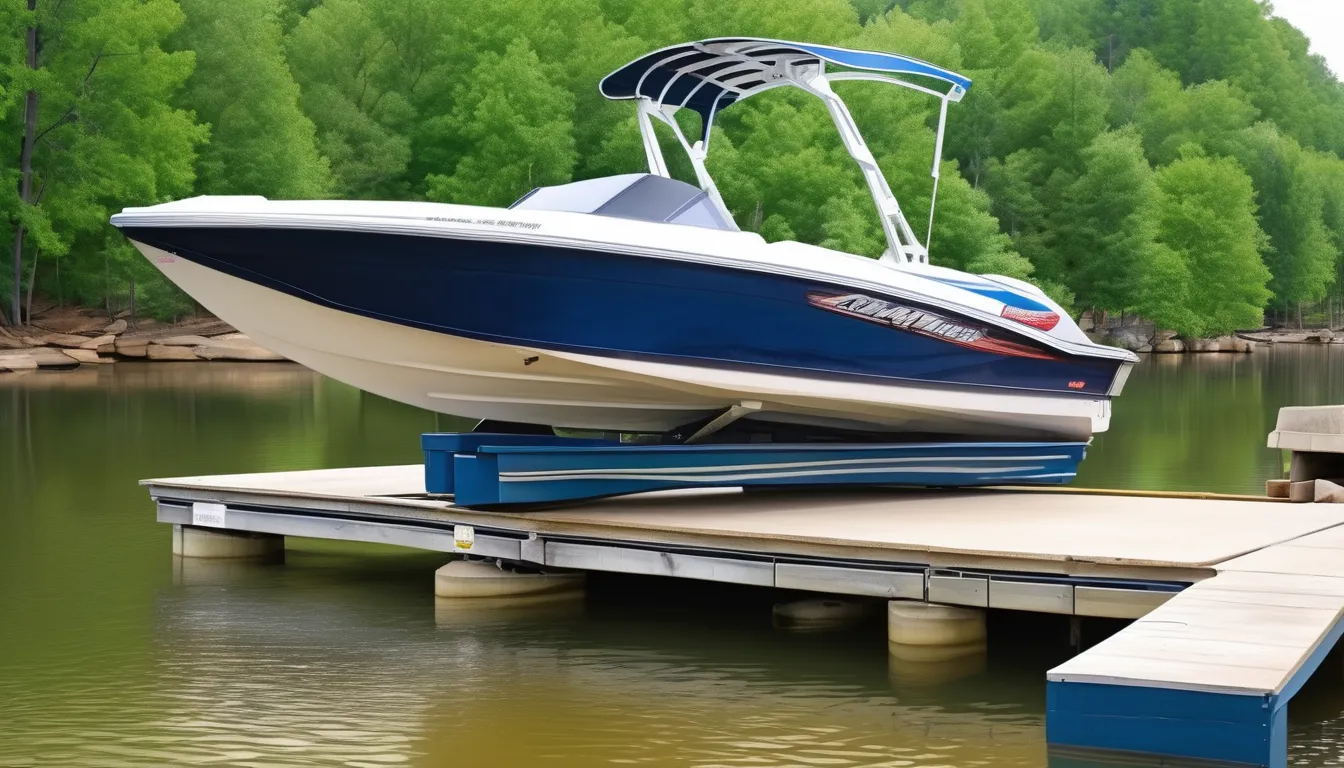
Choosing the Right Boat Lift for Your Grand Lake Property

As you consider enhancing your Grand Lake property with a boat lift, you’ll quickly realize that making the right choice can be more complex than you thought. You’ll need to weigh various factors, including the size and weight of your boat, the depth and contour of your dock, and the fluctuating water levels. But what if you choose the wrong lift? Your boat’s safety and the integrity of your dock could be compromised. To avoid costly mistakes, it’s essential to explore the different types of boat lifts available and determine which one best suits your needs – but that’s just the beginning.

Types of Boat Lifts

When it comes to selecting a boat lift, you’re faced with several options that cater to different needs and preferences. The most common types of boat lifts include hydraulic, electric, and manual lifts.

Hydraulic boat lifts are ideal for larger boats and offer smooth, quiet operation. They’re also suitable for areas with limited access to electricity.

Electric boat lifts, on the other hand, are more affordable and require less maintenance than hydraulic lifts.

Manual boat lifts are a cost-effective option that rely on a crank or winch to lift the boat. They’re often used for smaller boats and are easy to install.

Another type of boat lift is the cantilever boat lift, which uses a pivoting beam to lift the boat. This type of lift is suitable for areas with limited dock space.

Additionally, there are also floating boat lifts that can be used in areas with fluctuating water levels.

Factors to Consider

Choosing the Right Boat Lift for Your Grand Lake Property

Factors to Consider

Six key factors will determine the right boat lift for your needs. You’ll need to consider the size and type of boat you have, as well as its weight. Different boat lifts are designed to accommodate different sizes and weights, so make sure you choose one that’s suitable for your vessel.

The depth and contour of your dock will also play a role in your decision. Some boat lifts are better suited for shallow water or uneven dock surfaces.

Additionally, you’ll need to think about the water levels at your Grand Lake property. If the water levels fluctuate significantly, you’ll want a boat lift that can adjust to these changes.

You should also consider the material and construction of the boat lift, as well as its maintenance requirements. Some boat lifts are easier to maintain than others, and some are more durable.

Boat Lift Installation

Boat Lift Installation

You’ve selected the perfect boat lift for your Grand Lake property, but now it’s time to think about getting it installed. When it comes to installation, you have two main options: DIY installation or hiring a professional.

Installation Type Description
DIY Installation You install the lift yourself, which can save you money on labor costs.
Professional Installation A certified technician installs the lift, ensuring it’s done correctly and safely.

If you decide to go with a DIY installation, make sure you have the necessary skills and knowledge. You’ll need to follow the manufacturer’s instructions carefully and ensure the lift is installed level and secure. On the other hand, hiring a professional can provide you with peace of mind, knowing the job is done correctly and safely. They’ll also be able to troubleshoot any issues that may arise during installation. Consider your options carefully and choose the one that best suits your needs and expertise.

Choosing the Right Size

Choosing the Right Size

One of the most crucial factors in selecting a boat lift is determining the right size for your vessel. When it comes to choosing the right size, you’ll want to consider the length, width, and weight of your boat.

Make sure to check the manufacturer’s specifications for the boat lift’s weight capacity and size limitations.

You should also consider the water depth where you plan to install the boat lift.

The lift must be able to accommodate the water level fluctuations and still provide enough clearance for your boat to be lifted safely. Measure the distance between the water’s surface and the bottom of the boat to ensure the lift can handle the depth.

Additionally, think about the type of boat you have.

Different types of boats have varying weights and size requirements. For example, a pontoon boat will require a different size lift than a fishing boat.

Maintenance and Upkeep

Choosing the Right boat hoists for Your Grand Lake Property

Maintenance and Upkeep

Now that you’ve selected a boat lift that fits your vessel’s size and weight, it’s time to think about the upkeep required to keep it in good working condition. Regular maintenance is crucial to ensure the longevity of your boat lift and prevent costly repairs.

Maintenance Task Frequency Recommended Action
Cleaning Monthly Inspect and clean the lift’s moving parts to prevent corrosion
Lubrication Quarterly Apply lubricant to the lift’s hinges and rollers to reduce friction
Inspection Annually Check for signs of wear and tear, and address any issues promptly

You should also check your boat lift’s cables and pulleys for signs of wear and tear. Replacing worn-out cables and pulleys can help prevent accidents and ensure the lift operates smoothly. Additionally, consider hiring a professional to inspect and maintain your boat lift annually to catch any potential issues before they become major problems. By following these maintenance tasks, you’ll be able to keep your boat lift in good working condition and ensure it continues to serve you well for years to come.

Conclusion

You’ve considered the types of boat lifts, factors to think about, installation, size, and maintenance. Now you’re ready to make an informed decision for your Grand Lake property. By choosing the right boat lift, you’ll ensure the safe and easy docking of your boat. Consider your unique needs and select a lift that adjusts to changing water levels, withstands harsh conditions, and meets your maintenance preferences. This will help protect your investment and last for years to come.

The Art and Science of Hardscaping

When you envision your dream outdoor space, you likely picture a seamless blend of natural beauty and functional design elements. As you consider transforming your yard into a stunning extension of your home, you’re about to enter the world of hardscaping – a delicate balance of art and science. Effective hardscaping requires a thoughtful approach to design, materials, and site preparation. But what sets a beautifully crafted patio or walkway apart from a merely functional one? The answer lies in the nuances of hardscaping, and understanding these key elements is crucial to bringing your vision to life.

Understanding Hardscaping Design Principles

When diving into hardscaping, understanding the design principles is key to creating an outdoor space that’s both functional and visually appealing. You’ll want to consider the overall aesthetic you’re aiming for, including the style, color palette, and texture of your hardscaping elements.

Balance and proportion are also crucial, as they ensure that your outdoor space feels harmonious and well-designed.

As you design your hardscaping, think about the flow of your outdoor space. You’ll want to create a clear path for foot traffic, while also defining different areas for relaxation, entertainment, and other activities.

Consider the scale of your hardscaping elements, too, as they should be proportional to the size of your outdoor space and the surrounding features.

You’ll also want to think about the negative space in your outdoor area – that is, the empty space between and around your hardscaping elements. This can help create a sense of calm and serenity, and can also make your outdoor space feel larger and more expansive.

Choosing the Right Materials

Choosing the right materials for your hardscaping project can make all the difference in its overall aesthetic, functionality, and durability.

When selecting materials, consider the style and theme of your outdoor space. For example, if you’re going for a modern look, you might choose sleek, smooth pavers or concrete. For a more rustic or natural look, consider using stone or brick.

You’ll also want to think about the level of maintenance you’re willing to commit to. Some materials, like concrete, are relatively low-maintenance, while others, like stone or brick, may require more upkeep.

Additionally, consider the climate and weather conditions in your area. Certain materials, like pavers or concrete, can withstand extreme temperatures and weathering, while others may not.

In terms of specific materials, some popular options include concrete pavers, natural stone, brick, and gravel. You can also consider sustainable options, like permeable pavers or recycled materials.

Whatever materials you choose, make sure they’re durable, functional, and fit with your overall design vision. By selecting the right materials, you can create a beautiful and functional outdoor space that will last for years to come.

Site Preparation and Drainage

Before you start building your hardscaping project, you’ll need to prepare the site and ensure proper drainage. Clear the area of debris, vegetation, and obstructions. Mark the boundaries of your project with stakes and twine to define the work area.

Next, assess the terrain’s slope and elevation to determine the best way to manage water runoff.

Check for any underground utilities and obstructions, such as electric cables or pipes, to avoid damaging them during excavation. Use a level and a string line to ensure the site is even and plumb. If necessary, grade the site to achieve the desired slope and elevation.

Proper drainage is crucial to preventing water accumulation and damage to your hardscaping features. Assess the site’s drainage patterns and identify areas where water tends to collect.

Install a French drain or a catch basin to redirect water away from your hardscaping features. Use a drainage fabric or a geotextile underlayment to filter out sediment and debris, ensuring that your drainage system functions properly.

Hardscaping Techniques and Methods

You’ll regularly employ various hardscaping techniques and methods to achieve your desired design and ensure the longevity of your project.

A solid understanding of these techniques will enable you to execute your design effectively and efficiently. When it comes to hardscaping, the techniques you use can make or break the final product.

One crucial aspect to consider is the laying pattern and jointing method of your hardscaping materials.

These can greatly impact the overall aesthetic of your design. Here are some key techniques to master:

  • Interlocking pavers: Use sand as a leveling agent and a compactor to set pavers in place.
  • Segmental retaining walls: Use a level and a string line to ensure straight and level courses.
  • Dry-laid stone: Use a combination of sand and gravel to create a stable base and a level surface.

Maintenance and Upkeep Strategies

As you’ve honed your skills in various hardscaping techniques, it’s now time to turn your attention to the long-term health of your project. Maintenance and upkeep are crucial to ensure your hardscaped features remain safe, functional, and visually appealing. Regular cleaning and inspections can help prevent damage and extend the lifespan of your hardscaped elements.

Hardscaping Feature Maintenance Task Frequency
Patios and Walkways Sweep or blow leaves, dirt, and debris Weekly
Retaining Walls Inspect for cracks and damage, repair as needed Monthly
Fire Pits and Outdoor Kitchens Clean grills, burners, and surfaces After each use
Driveways and Parking Areas Sealcoat to protect from weathering Every 2-3 years

Conclusion

You’ve learned the art and science of Fencing , from design principles to maintenance strategies. By balancing aesthetics and function, you can create stunning outdoor spaces that complement your property’s landscape. Now, you’re equipped to choose the right materials, prepare your site, and implement effective drainage techniques. With these techniques and methods, you can craft beautiful, durable hardscapes that become a seamless extension of your home.