


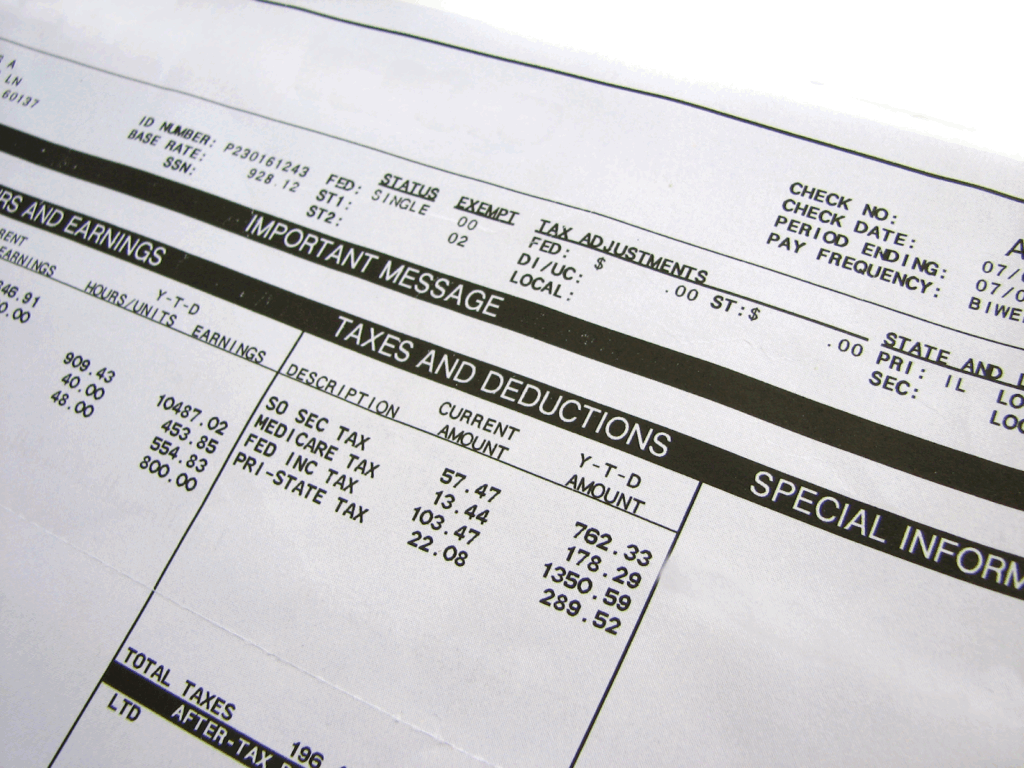
In today’s financial landscape, verifying income has become an essential part of various transactions, from applying for loans to renting an apartment. One of the most reliable and commonly accepted documents for this purpose is a pay stubs. Pay stubs, also known as paycheck stubs or earnings statements, provide a detailed breakdown of an individual’s earnings, deductions, and net pay, making them an ideal tool for proving income.
In this article, we’ll explore how to use pay stubs for proof of income, when they are needed, and tips for ensuring they serve their purpose effectively.
What Is a Pay Stub?
A pay stub is a document provided by employers to employees with each paycheck. It contains essential information such as:
- Gross pay: The total earnings before deductions.
- Net pay: The actual amount received after deductions.
- Deductions: Taxes, insurance, retirement contributions, and other withholdings.
- Year-to-date totals: Cumulative earnings and deductions for the year.
- Employer and employee information: Name, address, and pay period dates.
Pay stubs can be issued physically as paper slips or digitally via online payroll systems. Regardless of the format, pay stubs are considered an official record of income because they are generated by employers and reflect actual earnings.
Why Pay Stubs Are Used as Proof of Income?
Pay stubs are widely accepted as proof of income due to their detailed and verifiable nature. They are used in various scenarios, including:
Loan Applications
Banks and financial institutions require proof of income to assess your ability to repay loans. Pay stubs show consistent earnings and help lenders evaluate your financial stability.
Renting an Apartment
Landlords often request recent pay stubs to ensure tenants can afford monthly rent. A pay stub provides a transparent view of income, which helps landlords make informed decisions.
Government Assistance Programs
Certain programs, like housing assistance or unemployment benefits, require income verification. Pay stubs serve as official documentation of employment and earnings.
Credit Applications
Credit card companies may request proof of income to determine creditworthiness. Pay stubs provide reliable documentation to support your application.
Child Support or Legal Proceedings
In legal matters, such as child support disputes or alimony settlements, pay stubs can demonstrate your actual income to courts or mediators.
How to Use Pay Stubs for Proof of Income?
Using pay stubs as proof of income is straightforward, but there are several steps to ensure they are effective and accepted:
1. Gather Recent Pay Stubs
Financial institutions or landlords typically require the most recent two to three months of pay stubs. This demonstrates consistent income and employment stability.
2. Ensure Accuracy
Before submitting pay stubs, verify that all information is accurate. Ensure your name, employer details, pay period, and earnings are correctly listed. Any errors could delay processing or lead to rejection.
3. Highlight Key Information
Some organizations may request specific details, such as gross income or year-to-date earnings. Highlighting these areas can make it easier for the reviewer to identify important data.
4. Provide Multiple Formats if Needed
If you receive pay stubs electronically, save them as PDF files to maintain formatting and authenticity. For physical pay stubs, ensure they are legible and free from damage or alterations.
5. Combine with Supporting Documents
In some cases, pay stubs alone may not suffice. Consider providing additional proof of income, such as:
- Bank statements showing direct deposits
- Tax returns (Form 1040)
- Employment verification letters
These documents strengthen your application and provide a complete picture of your financial status.
6. Submit According to Instructions
Always follow the submission instructions provided by lenders, landlords, or organizations. Some may require electronic uploads, while others prefer physical copies. Proper submission ensures a smooth verification process.
Tips for Maxmizing Pay Stubs as Proof of Income
To make the most of your pay stubs, consider these practical tips:
Maintain Records
Keep a digital and physical copy of all pay stubs. Storing pay stubs for at least a year helps during tax season, loan applications, or any future income verification needs.
Use a Trusted Pay Stub Generator
If your employer does not provide pay stubs or you need additional copies, use a reputable pay stub generator. Ensure the tool complies with legal standards and accurately reflects your earnings.
Ensure Consistency
Lenders and landlords value consistency. Missing or inconsistent pay stubs may raise red flags. Always keep your records complete and organized.
Protect Sensitive Information
Pay stubs contain sensitive data like Social Security numbers and bank details. When submitting pay stubs, redact unnecessary information to protect your privacy.
Know Your Rights
In many regions, employers are legally required to provide pay stubs. Understanding your rights ensures you can access official pay stubs without issue.
Common Mistakes to Avoid
Even though pay stubs are reliable, mistakes can diminish their effectiveness as proof of income:
- Submitting outdated pay stubs – Always provide the most recent documents.
- Altering information – Modifying pay stubs is illegal and can lead to serious consequences.
- Failing to match other documents – Ensure pay stubs match bank deposits and tax returns.
- Ignoring missing details – Verify all fields are complete before submission.
Avoiding these mistakes ensures your pay stubs are credible and accepted by any institution.
Conclusion
Pay stubs are one of the most effective and widely accepted forms of proof of income. They provide detailed, verifiable information about your earnings, deductions, and overall financial stability. Whether you are applying for a loan, renting an apartment, or verifying income for government programs, pay stubs serve as a trusted record of your financial status.
Read Related Articles:
Alabama State Labor Laws – Workers Rights Simplified
